Introduction
Chronic Obstructive Pulmonary Disease (COPD) is a long-term lung disease that causes persistent breathing difficulty.
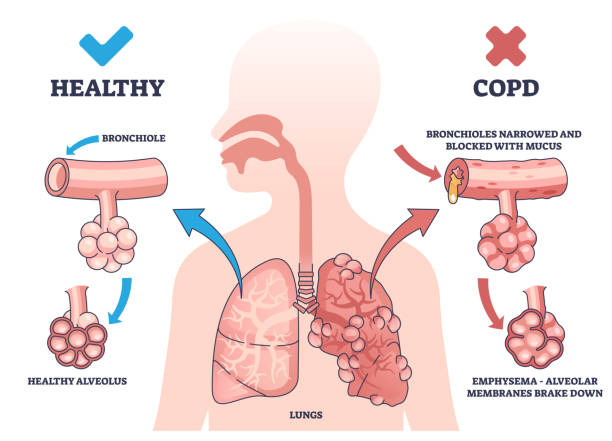
Chronic Obstructive Pulmonary Disease is one of the leading causes of illness and death worldwide, especially among smokers and individuals exposed to air pollution. Furthermore, COPD gradually worsens over time, especially if the underlying cause is not controlled. Early recognition of COPD symptoms can significantly improve outcomes and quality of life.
What is Chronic Obstructive Pulmonary Disease (COPD)?
Chronic Obstructive Pulmonary Disease (COPD) is a progressive condition characterized by airflow limitation that is not fully reversible.
It mainly includes:
Chronic bronchitis
Emphysema
As a result, patients experience difficulty in breathing due to narrowed airways and damaged lung tissue.
Causes of Chronic Obstructive Pulmonary Disease (COPD)
The most common cause of COPD is long-term exposure to harmful particles or gases.
Major causes include:
Cigarette smoking (primary cause)
Exposure to biomass fuel (firewood, charcoal)
Air pollution
Occupational dust and chemicals
Genetic factors (e.g., alpha-1 antitrypsin deficiency)
In addition, repeated respiratory infections may worsen the disease progression.
Symptoms of Chronic Obstructive Pulmonary Disease (COPD)
Symptoms of COPD often develop slowly and may be ignored in the early stages.
Common COPD symptoms include:
Persistent cough
Shortness of breath (especially on exertion)
Excess sputum production
Wheezing
Chest tightness
Fatigue
Furthermore, symptoms may worsen during infections, leading to exacerbations.
See also Asthma Symptoms: Causes and Diagnosis
👉 Read Dry Cough: Causes and Treatment
COPD Exacerbation (Acute Attack Symptoms)
A COPD exacerbation is a sudden worsening of symptoms.
Signs of COPD attack include:
Severe shortness of breath
Increased cough and sputum
Change in sputum color
Fever
Difficulty speaking full sentences
This condition requires urgent medical attention.
How is Chronic Obstructive Pulmonary Disease (COPD) Diagnosed?
Diagnosis of COPD is based on clinical evaluation and investigations.
Common diagnostic methods:
Spirometry (gold standard)
Chest X-ray
CT scan (in selected cases)
Arterial blood gas (ABG)
Pulse oximetry
Spirometry confirms airflow limitation and helps assess severity.
Treatment of Chronic Obstructive Pulmonary Disease (COPD)
Although COPD has no cure, treatment can significantly improve symptoms and slow progression.
Medical treatment includes:
Bronchodilators (e.g., salbutamol)
Inhaled corticosteroids
Combination inhalers
Antibiotics (during infections)
Oxygen therapy (in severe cases)
Non-drug treatment:
Smoking cessation (most important)
Pulmonary rehabilitation
Vaccination (influenza, pneumococcal)
Regular exercise
How to Prevent Chronic Obstructive Pulmonary Disease (COPD)
Prevention is essential, especially in high-risk individuals.
Preventive measures:
Avoid smoking
Reduce exposure to air pollution
Use protective equipment at work
Early treatment of respiratory infections
Furthermore, public health awareness plays a key role in prevention.
Complications of Chronic Obstructive Pulmonary Disease (COPD)
If not properly managed, COPD may lead to:
Respiratory failure
Pulmonary hypertension
Heart failure (cor pulmonale)
Recurrent infections
Reduced quality of life.
Frequently Asked Questions (FAQs) About COPD
What is the main cause of COPD?
The main cause of COPD is cigarette smoking, although air pollution and occupational exposure also contribute.
Is COPD curable?
No, COPD is not curable, but it can be managed effectively with proper treatment.
What are early symptoms of COPD?
Early symptoms include mild cough, shortness of breath, and fatigue.
Can COPD be prevented?
Yes, avoiding smoking and reducing exposure to harmful particles can prevent COPD.
When should I see a doctor for COPD symptoms?
You should seek medical attention if you have persistent cough, difficulty breathing, or worsening symptoms.
References
World Health Organization – COPD Fact Sheet
CDC – COPD guidelines
Global initiative – COPD overview
Related Articles
• Dry Cough: Causes and Treatment
• Asthma: Causes, Symptoms and Treatment
• Pneumonia: Diagnosis and Treatment
• Tuberculosis: Causes and Treatment
Medical Disclaimer
This article is for educational purposes only and does not replace professional medical advice. Always consult a qualified healthcare provider for diagnosis and treatment.
About Modern Clinical Health
Modern Clinical Health is a trusted platform providing evidence-based medical information for both healthcare professionals and the general public. Our goal is to simplify complex medical knowledge for better understanding and improved health outcomes.