Introduction
Shortness of breath, also called dyspnea, is a common symptom in medical practice. It can occur suddenly or develop gradually over time. Furthermore, it may be mild or life-threatening depending on the underlying cause.This article explains shortness of breath causes, diagnosis, and treatment using simple sentences for easy understanding and strong SEO structure.
What is Shortness of Breath?
Shortness of breath is the feeling of not getting enough air. In addition, patients may describe it as:
Difficulty breathing
Tight chest
Rapid breathing
Air hunger
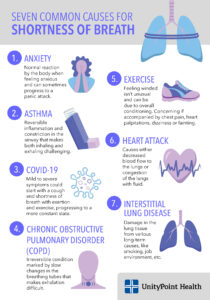
Causes of Shortness of Breath
1. Respiratory Causes
Respiratory diseases are the most common causes. Furthermore, they directly affect oxygen exchange.
Asthma,
Asthma is a common cause of shortness of breath. Read more about asthma treatment and diagnosis.
Chronic Obstructive Pulmonary Disease (COPD),
Pneumonia, Tuberculosis,lung cancer and Pulmonary embolism
For more clarification, you can read our article on respiratory diseases.
You can also visit: Cleveland_ shortness of breath overview for more information.
2. Cardiovascular Causes
Heart problems can reduce oxygen delivery. Therefore, patients feel breathless.
Heart failure
Ischemic heart disease
Hypertension
Arrhythmias
3. Hematological Causes
Low oxygen-carrying capacity can lead to dyspnea.
Anemia
4. Metabolic Causes
Metabolic imbalance increases breathing rate.
Acidosis (e.g., diabetic ketoacidosis)
Sepsis
5. Psychological Causes
Sometimes, the lungs and heart are normal.
Anxiety
Panic attacks
6. Other causes
In addition, other conditions may contribute:
Obesity
Pregnancy
Allergic reactions
Airway obstruction (foreign body)
Risk Factors for Shortness of Breath
Furthermore, certain factors increase risk:
Smoking
Air pollution
Chronic illness
Sedentary lifestyle
Occupational exposure
Symptoms Associated with Shortness of Breath
Shortness of breath rarely occurs alone. Therefore, look for:
Chest pain
Cough
Fever
Wheezing
Leg swelling
Fatigue
Diagnosis of Shortness of Breath
Accurate diagnosis is essential. Furthermore, it guides proper treatment.
1. Clinical History
Onset (sudden vs gradual)
Duration
Triggers
Associated symptoms
2. Physical Examination
Respiratory rate
Oxygen saturation
Chest auscultation
Heart sounds
3. Investigations
Basic Tests
Pulse oximetry
Chest X-ray
Full blood count
Advanced Tests
ECG
Echocardiography
CT scan
Arterial blood gas (ABG)
Treatment of Shortness of Breath
Treatment depends on the cause. Therefore, proper diagnosis is essential. Furthermore, applying rational prescribing in clinical practice helps ensure safe and effective treatment of shortness of breath.
1. General Management
Oxygen therapy
Rest
Positioning (sit upright)
2. Medical Treatment
Respiratory Causes
Bronchodilators (e.g., salbutamol)
Corticosteroids
Antibiotics (if infection present)
Cardiac Causes
Diuretics
ACE inhibitors
Beta-blockers
Anemia
Iron supplementation
Blood transfusion (severe cases)
3. Emergency Management
Seek urgent care if:
Severe breathlessness
Blue lips (cyanosis)
Confusion
Chest pain
4. Lifestyle Modifications
Furthermore, prevention is very important:
Stop smoking
Exercise regularly
Maintain healthy weight
Avoid allergens
Control chronic diseases
Complications of Untreated Shortness of Breath
If untreated, it may lead to:
Respiratory failure
Cardiac complications
Reduced quality of life
Prevention of Shortness of Breath
In addition, prevention reduces hospital visits:
Vaccination (e.g., influenza)
Early treatment of infections
Regular medical check-up
Frequently Asked Questions (FAQ)
1. What is the most common cause of shortness of breath?
Asthma, COPD, and heart disease are the most common causes.
2. When should I worry about shortness of breath?
You should worry if it is sudden, severe, or associated with chest pain.
3. Can anxiety cause shortness of breath?
Yes, anxiety and panic attacks can cause breathing difficulty.
4. How is shortness of breath treated?
Treatment depends on the cause. Therefore, proper diagnosis is necessary.
5. Is shortness of breath life-threatening?
It can be life-threatening in conditions like pulmonary embolism or heart failure.
Conclusion
Shortness of breath is an important symptom that should not be ignored. Furthermore, early diagnosis and treatment improve outcomes significantly. Always evaluate the underlying cause before starting treatment.
References
MedlinePlus: Shortness of Breath
CDC: Heart Disease
NHLBI: Lung Diseases
Medical Disclaimer:
This article is for educational purposes only. It does not replace professional medical advice. Always consult a qualified healthcare provider.
Clinic Contact Line:
For consultation and treatment guidance, contact your healthcare provider. Alternatively, you can reach us at 09137201096.