Introduction
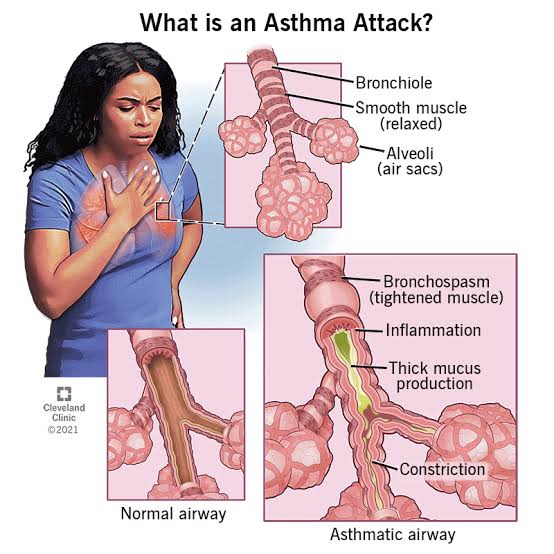
Illustration showing asthma symptoms with vissble airway narrowing
Asthma is a chronic respiratory condition that affects millions of people worldwide. It occurs when the airways become inflamed and narrowed, making breathing difficult. Recognizing asthma symptoms early can help patients seek timely treatment and prevent severe asthma attacks.
What Is Asthma?
Asthma is a long-term inflammatory disease of the airways characterized by airway hyperresponsiveness and reversible airflow obstruction. During an asthma episode, the airways become swollen, produce excess mucus, and narrow, leading to breathing difficulties.
Asthma can affect both children and adults and often varies in severity from mild intermittent symptoms to severe persistent disease.
Common Asthma Symptoms
The most common asthma symptoms include:
Wheezing (a whistling sound when breathing)
Shortness of breath
Chest tightness
Persistent coughing
Difficulty breathing during physical activity
Night cough or Dry cough early in the morning is common in asthma.Learn more about Dry cough cause and treatment.
Symptoms may vary from person to person and may worsen during certain conditions such as exposure to allergens or respiratory infections.
Asthma Attack Symptoms and Warning Signs
An asthma attack occurs when airway inflammation suddenly worsens, leading to severe breathing difficulty. Recognizing asthma attack symptoms is important for early intervention.
Common warning signs include:
Severe shortness of breath
Rapid breathing
Difficulty speaking full sentences
Persistent wheezing
Chest tightness
Bluish discoloration of lips or fingernails in severe cases
Severe asthma attacks may require urgent medical care as contained in WHO asthma guidelines.
Asthma Triggers That Worsen Symptoms
Many factors can trigger or worsen asthma symptoms. Common asthma triggers include:
Dust mites
Pollen
Pet dander
Air pollution
Tobacco smoke
Cold air
Respiratory infections such as pneumonia
Exercise
Strong odors or chemical fumes
Avoiding known triggers is an important step in asthma control.
How Asthma Is Diagnosed
Asthma diagnosis is usually based on a combination of medical history, physical examination, and lung function tests.
Common diagnostic methods include:
Spirometry, which measures airflow obstruction
Peak expiratory flow measurements
Assessment of symptom patterns
Evaluation of trigger exposure
Accurate asthma diagnosis helps guide appropriate treatment and long-term management.
Asthma Treatment and Inhaler Use To Relief Asthma symptoms
Asthma treatment aims to control symptoms, prevent attacks, and maintain normal lung function.
Common treatment options include:
Bronchodilator inhalers for quick relief of symptoms
Inhaled corticosteroids to reduce airway inflammation
Combination inhalers for long-term control
Leukotriene receptor antagonists in selected patients
Proper asthma inhaler use is essential for effective medication delivery. Patients should receive education on correct inhaler technique.
How to Prevent Asthma Attacks
Preventing asthma attacks involves both medical management and lifestyle adjustments.
Important prevention strategies include:
Avoiding known asthma triggers
Using prescribed controller medications regularly
Monitoring symptoms and peak flow
Following an asthma action plan
Receiving recommended vaccinations
Effective prevention reduces hospital visits and improves quality of life.
Clinical Perspective for Healthcare Professionals
Asthma is characterized by chronic airway inflammation, bronchial hyperresponsiveness, and variable airflow limitation. Diagnosis typically involves spirometry demonstrating reversible airway obstruction after bronchodilator administration.
Management should follow evidence-based guidelines that emphasize a stepwise approach to therapy, including inhaled corticosteroids as the cornerstone of long-term control. Clinicians should also assess inhaler technique, medication adherence, and environmental triggers during patient evaluation.
Severe or uncontrolled asthma may require referral to a specialist for further assessment and advanced therapies. International recommendations from organizations such as the World Health Organization emphasize the importance of early diagnosis, patient education, and rational medication use.
When to Seek Medical Care
Patients should seek medical attention if they experience:
Severe breathing difficulty
Frequent asthma attacks
Poor response to inhaler medication
Persistent cough or wheezing
Prompt evaluation can prevent complications and improve disease control.
Conclusion
Asthma is a common chronic respiratory disease that can significantly affect quality of life if not properly managed. Recognizing asthma symptoms, identifying triggers, and following appropriate treatment plans are essential for effective control. With proper medical care and preventive strategies, most people with asthma can lead active and healthy lives.
Related Articles
- Dry Cough: Causes and Treatment
- Asthma Symptoms: Causes and Diagnosis
- Pneumonia Symptoms: Diagnosis and Treatment
- Tuberculosis Symptoms: Causes and Treatment
.