Introduction
A healthy diabetic diet is an important part of managing blood sugar and reducing the risk of diabetes complications. However, having diabetes does not mean you have to stop eating all carbohydrates or completely avoid your favorite foods.
The goal is to choose nutritious foods, control portions, distribute carbohydrates appropriately, and limit foods that contain large amounts of added sugar, unhealthy fats, and refined carbohydrates.
A good diabetes meal plan should also fit the person’s age, lifestyle, culture, food preferences, medications, and overall health. The Centers for Disease Control and Prevention (CDC) recommends meal planning approaches such as the plate method and carbohydrate counting to help people manage blood glucose.
This guide explains the best foods for a diabetic diet, foods to limit, practical portion-control strategies, and a simple 7-day meal plan that can be adapted to individual needs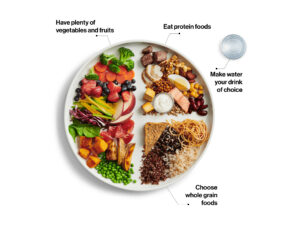
What Is a Diabetic Diet?
A diabetic diet is a healthy eating pattern designed to help maintain blood glucose within an individual’s target range while providing adequate nutrition.
There is no single diet that is suitable for everyone with diabetes. Instead, a good meal plan that can reduce the cost of treatment (read our guide on diabetes treatment options). The best meal plan emphasizes on:
Non-starchy vegetables
High-fiber foods
Appropriate portions of carbohydrate-containing foods
Lean sources of protein
Healthy fats
Whole fruits
Minimally processed foods
Water and other low- or zero-calorie beverages
Carbohydrates are not forbidden in diabetes. They are an important source of energy, but the amount, type, portion size, and combination with protein and fiber can influence how quickly blood glucose rises.
The Diabetes Plate Method
One of the simplest ways to build a balanced meal is the plate method.
Use a plate approximately 9 inches across and divide it into three sections:
Half the plate: Non-starchy vegetables
Examples include:
Spinach
Cabbage
Lettuce
Cucumber
Tomatoes
Okra
Green beans
Eggplant
Broccoli
Cauliflower
Carrots
Peppers
One-quarter of the plate: Protein
Examples include:
Fish
Chicken
Eggs
Lean meat
Beans
Lentils
Tofu
One-quarter of the plate: Carbohydrate foods
Examples include:
Brown or whole-grain rice
Whole-grain bread
Oats
Potatoes
Sweet potatoes
Yam
Plantain
Whole grains
Fruit
Milk or yogurt
The American Diabetes Association and CDC both describe this plate-based approach as a practical way to balance vegetables, protein, and carbohydrate foods.
Best Foods to Eat on a Diabetic Diet
1. Non-Starchy Vegetables
Vegetables should form a major part of most meals.
They provide fiber, vitamins, minerals, and other nutrients while generally containing fewer carbohydrates than starchy foods.
Good choices include spinach, cabbage, cucumber, tomatoes, okra, broccoli, green beans, peppers, and eggplant.
Try steaming, boiling, grilling, or lightly cooking vegetables rather than preparing them with excessive amounts of oil.
2. High-Fiber Foods
Fiber can help with fullness and may reduce how quickly blood glucose rises after eating.
Good sources include:
Vegetables
Beans
Lentils
Peas
Whole grains
Oats
Nuts
Seeds
Whole fruits
Choosing whole foods rather than highly processed foods can make a diabetes meal plan easier to follow.
3. Lean Protein
Protein can help make meals more satisfying and provides essential nutrients.
Healthy choices include:
Fish
Skinless chicken
Eggs
Beans
Lentils
Lean meat
Tofu
Nuts and seeds in appropriate portions
Fish can also provide beneficial unsaturated fats, depending on the type and preparation method.
4. Whole Fruits
People with diabetes generally do not need to completely avoid fruit.
Whole fruits contain carbohydrates, but they also provide fiber, vitamins, minerals, and other nutrients.
Examples include:
Apples
Oranges
Guava
Pears
Berries
Pawpaw
Watermelon
Small portions of banana
Whole fruit is generally preferable to fruit juice because juice can deliver a large amount of carbohydrate more quickly and contains less fiber than the whole fruit.
5. Healthy Fats
Healthy sources of unsaturated fats include:
Avocado
Nuts
Seeds
Olive oil
Certain types of fish
However, even healthy fats are energy-dense, so portion size still matters
.Foods to Limit or Avoid on a Diabetic Diet
A diabetic diet does not necessarily require completely banning every food on this list. The emphasis should be on limiting foods that provide large amounts of added sugar, refined carbohydrates, unhealthy fats, or excess calories while offering relatively little nutritional value.
Sugary Drinks
Limit:
Soft drinks
Sweetened juices
Energy drinks
Sweetened tea
Sweetened coffee
Other sugar-sweetened beverages
Water is generally a better everyday beverage choice.
Sweets and Added Sugars
Limit foods such as:
Sweets
Cakes
Cookies
Sweet pastries
Sugary breakfast cereals
Ice cream
Large portions of desserts
Occasional treats can sometimes fit into an individualized diabetes meal plan, but portion size and overall carbohydrate intake matter.
Refined Carbohydrates
Examples include:
Large portions of white bread
Large portions of white rice
Refined pastries
Highly processed cereals
Other refined grain products
The CDC recommends emphasizing whole foods and reducing refined grains and added sugars.
Deep-Fried Foods
Frequent consumption of deep-fried foods can increase intake of unhealthy fats and calories.
Prefer foods that are:
Grilled
Baked
Steamed
Boiled
Roasted
What About Rice, Yam, Plantain and Potatoes?
People with diabetes do not automatically have to eliminate these foods.
Rice, yam, plantain and potatoes are carbohydrate-containing foods, so portion size is important.
A practical approach is to keep these foods to approximately one-quarter of the plate, while filling the remaining plate with non-starchy vegetables and a protein source.
For example, instead of eating a very large serving of rice alone, combine a moderate portion of rice with vegetables and fish, chicken, eggs, beans, or another suitable protein.
The overall meal pattern matters more than labeling a single food as completely “good” or “bad.”
Simple 7-Day Diabetic Meal Plan
This sample meal plan is intended as a general educational example, not an individualized prescription. Portion sizes should be adjusted according to age, activity level, medications, blood glucose targets, and advice from a healthcare professional.
Day 1
Breakfast:
Oats prepared with unsweetened milk, plus a small portion of whole fruit.
Lunch:
Moderate portion of brown or parboiled rice, grilled fish, and plenty of mixed vegetables.
Dinner:
Vegetable soup with a moderate portion of a carbohydrate food and lean protein.
Optional snack:
A small portion of unsalted nuts or whole fruit.
Day 2
Breakfast:
Boiled eggs with a small portion of whole-grain bread and vegetables.
Lunch:
Beans with a moderate portion of plantain and a side of vegetables.
Dinner:
Grilled chicken with vegetables and a small portion of sweet potato.
Optional snack:
Plain unsweetened yogurt or a small whole fruit.
Day 3
Breakfast:
Oatmeal with nuts and a small portion of fruit.
Lunch:
Fish with a moderate portion of rice and a large serving of vegetables.
Dinner:
Beans and vegetable-based soup with an appropriate carbohydrate portion.
Optional snack:
A small handful of nuts.
Day 4
Breakfast:
Eggs, vegetables, and a small portion of whole-grain bread.
Lunch:
Chicken or fish with a moderate portion of yam and plenty of non-starchy vegetables.
Dinner:
Vegetable soup with lean protein and a moderate carbohydrate portion.
Optional snack:
Whole fruit.
Day 5
Breakfast:
Unsweetened oatmeal with a small portion of fruit and nuts.
Lunch:
Beans with vegetables and a moderate portion of plantain.
Dinner:
Grilled fish, salad or cooked vegetables, and a small portion of rice.
Optional snack:
Plain unsweetened yogurt.
Day 6
Breakfast:
Boiled eggs with vegetables and whole-grain bread.
Lunch:
Chicken with a moderate portion of brown or parboiled rice and vegetables.
Dinner:
Beans or lentils with vegetables and a small portion of a preferred whole or minimally processed carbohydrate.
Optional snack:
Small portion of nuts or whole fruit.
Day 7
Breakfast:
Oats with unsweetened milk, nuts, and a small portion of fruit.
Lunch:
Grilled fish or chicken, moderate portion of yam or sweet potato, and plenty of vegetables.
Dinner:
Vegetable-rich soup with lean protein and an appropriate carbohydrate portion.
Optional snack:
Whole fruit or unsweetened yogurt.
How to Control Carbohydrate Portions
Carbohydrate counting can be useful for some people with diabetes, particularly those whose treatment requires careful matching of insulin to carbohydrate intake.
One carbohydrate serving is often considered approximately 15 grams of carbohydrate, but individual carbohydrate requirements vary.
People using insulin or certain glucose-lowering medicines should not make major changes to carbohydrate intake without discussing them with their healthcare team, because meal changes can affect blood glucose and medication requirements.
Should People With Diabetes Skip Meals?
Generally, regularly skipping meals is not a good strategy for controlling diabetes.
The CDC recommends eating at regular times and avoiding skipped meals as part of blood glucose management.
This is particularly important for people taking insulin or medications that can cause hypoglycemia.
If someone frequently experiences low blood sugar, their meal schedule, medication, physical activity, or treatment plan may need review by a healthcare professional.
Can People With Diabetes Eat Snacks?
Some people with diabetes may benefit from snacks, while others may not need them.
A snack may be appropriate depending on:
Diabetes medication
Physical activity
Meal timing
Hunger
Blood glucose patterns
Individual nutritional needs
Possible nutritious choices include a small portion of nuts, plain unsweetened yogurt, or whole fruit.
Snacking should not automatically be considered necessary for everyone with diabetes.
Diabetic Diet and Physical Activity
Healthy eating works best alongside regular physical activity when medically appropriate.
Physical activity can help improve blood glucose management, blood pressure, cholesterol, and overall health. NIDDK notes that many adults with diabetes can benefit from regular moderate physical activity, with activity plans individualized to the person’s health and abilities.
People taking insulin or medicines that can cause hypoglycemia should ask their healthcare professional how exercise may affect their blood glucose and medication plan.
How to Make a Diabetic Diet Easier to Follow
A diabetes meal plan does not have to be complicated.
Try these practical habits:
Use the plate method.
Choose water instead of sugary drinks.
Eat vegetables regularly.
Choose whole fruit instead of juice.
Watch carbohydrate portions.
Include a protein source with meals.
Reduce highly processed foods.
Prefer grilled, boiled, baked, steamed, or roasted foods.
Eat meals at consistent times when appropriate for your treatment plan.
Monitor your blood glucose and learn which foods affect your readings.
Keeping a record of meals and blood glucose readings can help identify patterns and allow you and your healthcare team to make better decisions.
When Should Someone With Diabetes See a Healthcare Professional?
Speak with a healthcare professional if:
Blood glucose is repeatedly above the recommended target.
Blood glucose frequently becomes too low.
You are losing weight unexpectedly.
You frequently experience excessive thirst or urination.
You are unsure how much carbohydrate to eat.
Your diabetes medicines have changed.
You are pregnant or planning pregnancy.
You have kidney, liver, heart, or other significant medical conditions.
You need an individualized meal plan.
Very high blood glucose accompanied by symptoms such as vomiting, difficulty breathing, severe weakness, confusion, or fainting requires urgent medical attention. People with diabetes who are sick and have significantly elevated glucose may also need assessment for ketones and diabetic ketoacidosis according to their healthcare team’s instructions.
Key Takeaways
A diabetic diet focuses on balanced, nutritious eating rather than completely eliminating carbohydrates.
Fill about half the plate with non-starchy vegetables, one-quarter with protein, and one-quarter with carbohydrate foods.
Choose whole fruits rather than fruit juice when possible.
Limit sugary drinks, added sugars, refined grains, and frequently deep-fried foods.
Rice, yam, plantain, potatoes, and other carbohydrate foods can often be included in appropriate portions.
Meal timing and carbohydrate consistency can be particularly important for people taking insulin or certain diabetes medicines.
A 7-day meal plan should be adapted to individual nutritional and medical needs.
Regular physical activity, appropriate medication use, blood glucose monitoring, and healthy eating all contribute to diabetes management.
A doctor, diabetes educator, or registered dietitian can help create an individualized plan.
Frequently Asked Questions On Diabetic Diet.
1. What is the best diet for someone with diabetes?
There is no single best diabetic diet for everyone. A healthy pattern generally emphasizes vegetables, high-fiber foods, whole or minimally processed foods, lean protein, healthy fats, appropriate carbohydrate portions, and limited added sugars.
2. Can people with diabetes eat rice?
Yes. Rice contains carbohydrates and can raise blood glucose, but it can usually be included in an individualized meal plan. Portion size and the foods eaten with the rice are important.
3. Can a person with diabetes eat fruit?
Yes. Whole fruit can be part of a healthy diabetes meal plan. Whole fruit is generally preferable to fruit juice because it provides fiber and is typically consumed more slowly.
4. What drinks are best for diabetes?
Water is an excellent everyday choice. Unsweetened beverages can also be appropriate. Sugary soft drinks and other sugar-sweetened beverages should generally be limited.
5. Should people with diabetes avoid carbohydrates completely?
No. Carbohydrates are an important source of energy. The amount and type of carbohydrate should be individualized, and choosing higher-fiber foods and appropriate portions can help with blood glucose management.
Clinician Review
Clinician-reviewed topic: Diabetic diet and healthy meal planning
This article is based on current diabetes nutrition guidance from reputable medical organizations. Individual dietary requirements vary, particularly for children, adolescents, pregnant people, older adults, people using insulin, and people with kidney or other chronic diseases.
Medical Disclaimer
This article is provided for general educational purposes and does not replace professional medical advice, diagnosis, or treatment.
People with diabetes should work with their healthcare professional or qualified diabetes educator/dietitian when developing an individualized meal plan, particularly when taking insulin or medicines that can cause low blood glucose.
Do not stop, reduce, or change prescribed diabetes medication because of dietary changes without professional medical advice.
References
American Diabetes Association. Standards of Care in Diabetes—2026. https://diabetesjournals.org/care
World Health Organization (WHO). Diabetes. https://www.who.int/news-room/fact-sheets/detail/diabetes
Centers for Disease Control and Prevention (CDC). Diabetes. https://www.cdc.gov/diabetes
National Institute of Diabetes and Digestive and Kidney Diseases (NIDDK). Diabetes Overview. https://www.niddk.nih.gov/health-information/diabetes
International Diabetes Federation (IDF). IDF Diabetes Atlas. https://diabetesatlas.org