Introduction
Chest pain is one of the most common symptoms seen in medical practice. It can range from mild discomfort to severe pain. Importantly, chest pain may come from the heart, lungs, muscles, or digestive system.
Understanding chest pain causes helps in early diagnosis and proper treatment. Furthermore, knowing when chest pain is dangerous can save life.
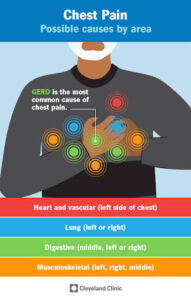
Common Chest Pain Causes
There are many chest pain causes, and they are grouped based on the organ involved.
1. Cardiac Chest Pain Causes
Heart-related conditions are the most serious.
Heart attack (myocardial infarction)
Angina pectoris
Pericarditis
Chest pain from the heart is usually:
Tight or squeezing
Radiates to arm, jaw, or back
Associated with sweating
2. Respiratory Chest Pain Causes
Lung problems can also lead to chest pain.
Pneumonia
Pulmonary embolism
Pleural inflammation
In addition, this type of pain may worsen with breathing or coughing.see also our article on chronic cough
3. Gastrointestinal Chest Pain Causes
Digestive issues are common causes.
Acid reflux (GERD)
Peptic ulcer disease
Esophageal spasm
Furthermore, this pain is often burning and related to meals.
4. Musculoskeletal Chest Pain Causes
This is one of the most common and less dangerous causes.
Muscle strain
Costochondritis
Rib injury
The pain is usually:
Localized
Worse with movement or touch
5. Psychological Chest Pain Causes
Mental health can also cause chest pain.
Anxiety
Panic attacks
In such cases, the pain may come with:
Fast heartbeat
Shortness of breath
How Chest Pain is Diagnosed
Proper diagnosis is important to rule out serious conditions.
1. History and Physical Examination
The doctor asks about:
Nature of the pain
Duration
Associated symptoms
2. Investigations
Common tests include:
ECG (Electrocardiogram)
Chest X-ray
Blood tests (cardiac enzymes)
Echocardiography
In addition, advanced imaging like CT scan may be required.
Treatment of Chest Pain
Treatment depends on the underlying chest pain causes.
1. Cardiac Treatment
Oxygen therapy
Nitroglycerin
Antiplatelet drugs
2. Respiratory Treatment
Antibiotics (for infections)
Anticoagulants (for embolism)
3. Gastrointestinal Treatment
Antacids
Proton pump inhibitors
4. Musculoskeletal Treatment
Pain relievers
Rest
Physiotherapy
5. Psychological Treatment
Counseling
Anti-anxiety medications
When to Seek Emergency Care
Seek urgent medical attention if chest pain:
Is severe or sudden
Spreads to arm or jaw
Is associated with sweating
Comes with difficulty breathing
These may indicate life-threatening conditions.
Prevention of Chest Pain
You can reduce the risk of serious chest pain causes by:
Maintaining healthy diet
Exercising regularly
Avoiding smoking
Controlling blood pressure and diabetes
Conclusion
Chest pain should never be ignored. While some chest pain causes are harmless, others are life-threatening. Therefore, early diagnosis and proper treatment are essential.
❓ Frequently Asked Questions (FAQ) on Chest Pain Causes
What are the most common chest pain causes?
The most common chest pain causes include heart problems, lung conditions, acid reflux, and muscle strain. However, not all chest pain is serious.
How do I know if chest pain is serious?
Chest pain is serious if it is severe, sudden, or spreads to the arm, jaw, or back. In addition, symptoms like sweating and difficulty breathing are warning signs.
Can chest pain be caused by gas or indigestion?
Yes, digestive problems like acid reflux and gas are common chest pain causes. This type of pain is usually burning and related to meals.
What tests are done for chest pain diagnosis?
Doctors may perform ECG, chest X-ray, blood tests, and echocardiography to identify the cause of chest pain.
Can anxiety cause chest pain?
Yes, anxiety and panic attacks can cause chest pain. Furthermore, they may be associated with fast heartbeat and shortness of breath.
What is the best treatment for chest pain?
Treatment depends on the underlying chest pain causes. For example, heart conditions need urgent care, while muscle pain may require rest and pain relief.
When should I go to the hospital for chest pain?
You should seek emergency care if chest pain is severe, persistent, or associated with breathing difficulty, sweating, or fainting
References:
Mayo Clinic. Chest pain: Symptoms and causes. Available at: https://www.mayoclinic.org
NHS. Chest pain. Available at: https://www.nhs.uk
WebMD. Chest pain overview. Available at: https://www.webmd.com
Medical Disclaimer:
This article is for educational purposes only and should not replace professional medical advice. Always consult a qualified healthcare provider for diagnosis and treatment.