Introduction
Chronic cough is a common medical problem that can significantly affect quality of life. Chronic cough causes include infections, asthma, reflux disease, and environmental factors. Early diagnosis and proper treatment are important for long-term relief.
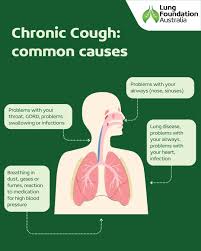
What Is Chronic Cough?
Chronic cough is defined as a cough that lasts for more than 8 weeks in adults and more than 4 weeks in children.
Furthermore, it may be dry or productive and may indicate an underlying disease rather than a simple infection.
Chronic Cough Causes
The most important chronic cough causes include:
Postnasal drip (upper airway cough syndrome)
Asthma
Gastroesophageal reflux disease (GERD)
Chronic bronchitis
Smoking
Certain medications (e.g., ACE inhibitors)
Furthermore, environmental irritants such as dust and pollution can worsen symptoms.
Common Chronic Cough Causes in Adults and Children
Common chronic cough causes vary by age group:
Adults
Smoking-related lung disease
GERD
Chronic bronchitis
Children
Asthma
Recurrent respiratory infections
Allergies
In addition, exposure to smoke or cold air can trigger persistent coughing.
Infectious Chronic Cough Causes
Some infections can lead to prolonged cough these include: Tuberculosis ,Pneumonia and Post-viral cough especially if not treated
Furthermore, untreated infections may progress and cause complications.
Non-Infectious Chronic Cough Causes
Non-infectious chronic cough causes include: Asthma GERD, Lung cancer and
Chronic obstructive pulmonary disease (COPD)
Additionally, allergies and sinusitis may contribute to persistent cough.
Chronic Cough Symptoms and Warning Signs
Symptoms associated with chronic cough include:
Persistent coughing
Chest discomfort
Shortness of breath
Sputum production
Fatigue
Moreover, warning signs such as weight loss or coughing blood require urgent attention.
When to see a doctor about Chronic Cough causes
Seek medical care if:
Cough lasts more than 8 weeks
Blood is present in sputum
There is unexplained weight loss
Severe breathlessness occurs
Furthermore, these may indicate serious underlying chronic cough causes.
Diagnosis of Chronic Cough
Clinical Evaluation
History and physical examination
Investigations
Chest X-ray
CT scan
Sputum analysis
Spirometry (for asthma)
Additionally, further tests may be needed depending on suspected causes.
Chronic Cough Treatment Options
Treatment depends on the underlying chronic cough causes:
1. Treat Underlying Cause
Antibiotics for infections
Anti-asthmatic drugs
Anti-reflux medications
2. Symptomatic Treatment
Cough suppressants
Antihistamines
3. Lifestyle Modifications
Stop smoking
Avoid irritants
Elevate head during sleep (for GERD)
Furthermore, adherence to treatment improves outcomes.
Complications of Chronic Cough
If untreated, chronic cough may lead to:
Sleep disturbance
Chest pain
Rib fractures (rare)
Reduced quality of life
Prevention of Chronic Cough
Avoid smoking
Reduce exposure to pollutants
Treat infections early
Maintain good hygiene
Additionally, regular medical check-ups help early detection.
FAQ (Chronic Cough Causes and Treatment)
What is the most common cause of chronic cough?
Postnasal drip, asthma, and GERD are the most common chronic cough causes.n
Can chronic cough be cured?
Yes, treating the underlying cause can resolve the cough.
When should I worry about chronic cough?
If it persists beyond 8 weeks or is associated with alarming symptoms
References
World Health Organization (WHO). Respiratory diseases and chronic cough overview. Available at: https://www.who.int
Centers for Disease Control and Prevention (CDC). Chronic cough and respiratory conditions. Available at: https://www.cdc.gov.
Chronic cough: evaluation and management.
Available at: https://pubmed.ncbi.nlm.nih.gov/
Reviewed by: Medical Practitioner
Disclaimer:
This content is for educational purposes only and does not replace professional medical advice. Always consult a qualified healthcare provider.