Headache Causes and When to Worry
Headache and headache causes remain one of the most common health complaints in children and adults. Some headaches are mild, while others indicate serious medical condition.
Understanding headache causes and when to worry can help you know when simple home care is enough and when urgent medical attention is needed.
This article explains the common causes of headaches, warning signs, treatment options, and prevention tips in simple language.
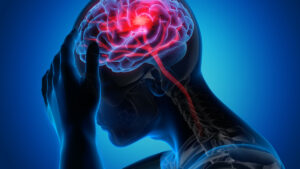
What Is a Headache?
A headache is pain or discomfort in the head, scalp, face, or neck. The pain may be mild, moderate, or severe. Some headaches last for a few minutes, while others may continue for hours or days.
Headaches can occur occasionally or repeatedly depending on the cause.
Common Headache Causes
There are many headache causes, ranging from harmless conditions to serious illnesses.
1. Stress and Tension Headache
Stress is one of the leading headache causes worldwide. Emotional stress, anxiety, poor sleep, and mental fatigue can tighten muscles around the head and neck.
Symptoms may include:
Tight band-like pain around the head
Neck stiffness
Mild to moderate pain
Pain that worsens with stress
2. Migraine Headache
Migraine is a recurring headache disorder that can be severe.
Common migraine symptoms include:
Throbbing headache
Sensitivity to light and sound
Nausea or vomiting
Blurred vision
Dizziness
Migraine may affect one side of the head or both sides.
3. Malaria and Fever-Related Headache causes
In malaria-endemic regions such as Nigeria, malaria is a common headache cause.
Symptoms may include:
Fever
Body weakness
Chills
Joint pains
Sweating
Loss of appetite
Typhoid fever and other infections may also cause headache.
4. Dehydration
Not drinking enough water can trigger headaches.
Signs of dehydration include:
Dry mouth
Weakness
Dark urine
Dizziness
Excessive thirst
5. High Blood Pressure
Very high blood pressure may cause headache, especially in severe cases.
Possible symptoms include:
Headache at the back of the head
Dizziness
Blurred vision
Chest discomfort
6. Eye Problems
Poor eyesight and eye strain from prolonged phone or computer use may lead to headaches.
People who spend many hours looking at screens may experience:
Frontal headache
Eye pain
Blurred vision
Burning sensation in the eyes
7. Sinus Infection
Sinusitis can cause pressure around the forehead, cheeks, and eyes.
Symptoms may include:
Facial pain
Nasal congestion
Fever
Thick nasal discharge
Pain that worsens when bending forward
8. Lack of Sleep
Poor sleep can contribute to frequent headaches.
Sleep deprivation affects brain function and may increase pain sensitivity.
9. Hunger and Low Blood Sugar
Skipping meals may trigger headaches in some people.
Low blood sugar symptoms include:
Weakness
Sweating
Shaking
Dizziness
Irritability
Serious Headache Causes
Sometimes headaches may indicate dangerous medical conditions, these include:
1. Meningitis
Meningitis is inflammation of the coverings of the brain and spinal cord.
Warning signs include:
Severe headache
High fever
Neck stiffness
Confusion
Vomiting
Sensitivity to light
This is a medical emergency.
2. Stroke
A sudden severe headache may occur during a stroke.
Symptoms may include:
Sudden weakness on one side
Difficulty speaking
Facial drooping
Loss of balance
Vision problems
Seek emergency medical care immediately.
3. Brain Tumor
Although uncommon, persistent headaches can sometimes be associated with brain tumors.
Possible warning signs include:
Progressive worsening headache
Repeated vomiting
Seizures
Personality changes
Difficulty walking
When to Worry About a Headache
You should seek medical attention if headache occurs with any of the following danger signs:
Sudden severe headache
Headache after head injury
Fever and neck stiffness
Confusion or fainting
Repeated vomiting
Weakness of the arms or legs
Difficulty speaking
Blurred vision
Seizures
Persistent headache lasting many days
Headache with nose bleeding and severe weakness
Headache in people with very high blood pressure
These symptoms may indicate serious illness.
Diagnosis of Headache Causes
Healthcare providers may ask questions about:
Duration of headache
Location of pain
Associated symptoms
Fever history
Drug use
Stress level
Blood pressure history
Tests may include:
Blood tests
Malaria test
Blood pressure measurement
Eye examination
CT scan or MRI in severe cases
Treatment of Headaches
Treatment depends on the headache cause.
Common Treatment Options
Rest
Adequate hydration
Stress reduction
Proper sleep
Treatment of infections
Blood pressure control
Eye correction with glasses if needed
Common medicines used include:
Paracetamol
Ibuprofen
Medicines should be used according to medical advice.
How to Prevent Headaches
The following measures may help reduce headache frequency:
Drink enough water
Sleep adequately
Reduce stress
Avoid skipping meals
Exercise regularly
Limit excessive screen time
Treat malaria and infections early
Monitor blood pressure regularly
Headache Causes in Children
Children may develop headaches due to:
Malaria
Fever
Dehydration
Eye problems
Stress
Poor sleep
Parents should seek medical care if the child develops severe headache, vomiting, seizures, weakness, or neck stiffness.
Frequently Asked Questions (FAQs) On Headache causes
What is the most common headache cause?
Stress and tension headaches are among the most common causes worldwide.
Can malaria cause headache?
Yes. Malaria commonly causes headache along with fever, weakness, and body pains.
When should I worry about a headache?
You should worry if headache is sudden, severe, associated with weakness, confusion, fever, seizures, or difficulty speaking.
Can dehydration cause headache?
Yes. Lack of enough water can reduce blood circulation and trigger headaches.
Does high blood pressure cause headache?
Very high blood pressure can sometimes cause headaches, especially when severe.
Are migraines dangerous?
Most migraines are not life-threatening, but severe or unusual migraine symptoms should be evaluated by a healthcare professional.
Can children get headaches?
Yes. Children can develop headaches from infections, stress, dehydration, and eye problems.
Conclusion
Understanding headache causes and when to worry is important for early treatment and prevention of complications. Many headaches are harmless and improve with rest, hydration, and stress control. However, severe headaches or headaches associated with danger signs require urgent medical evaluation.
Early diagnosis and proper treatment can help prevent serious complications.
Reviewed by Health Worker
This article was medically reviewed for health education purposes by a healthcare worker.
Disclaimer
This article is for educational purposes only and does not replace professional medical advice, diagnosis, or treatment. Always consult a qualified healthcare provider for persistent or severe symptoms.
References
World Health Organization – Headache disorders
Centers for Disease Control and Prevention – Headache and neurological symptoms
Mayo Clinic – Migraine and headache causes