What is Obesity Treatment and Why It Matters
Obesity treatment refers to all medical and lifestyle approaches used to reduce excess body fat and prevent complications.
Obesity is commonly measured using the Body Mass Index (BMI):
BMI ≥ 30 kg/m² → Obesity
BMI 25–29.9 kg/m² → Overweight
Early treatment is important to prevent long-term health risks.
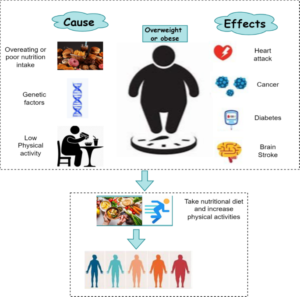
Causes of Obesity
Understanding the causes helps guide proper treatment:
Excess calorie intake (fast food, sugary drinks)
Sedentary lifestyle (↓ physical activity)
Hormonal imbalance (insulin resistance ↑)
Poor sleep (affects appetite hormones)
Medications (e.g., steroids)
These factors lead to fat accumulation and the need for structured obesity treatment.
Obesity Health Risks
Failure to initiate treatment early can lead to serious complications which include:
Type 2 diabetes mellitus
Hypertension (↑ blood pressure)
Cardiovascular diseases
Fatty liver disease
Osteoarthritis (joint stress ↑)
Timely treatment reduces these risks significantly.
Lifestyle-Based Treatment (First-Line)
Diet Therapy
Reduce calorie intake
Eat more vegetables, fruits, and whole grains
Avoid sugary drinks and processed foods
Diet control is the foundation of effective treatment of obesity
Exercise
At least 150 minutes/week
Walking, cycling, aerobic exercise
Regular activity enhances fat loss and improves
treatment outcomes.
Behavioral Changes in Obesity Treatment
Avoid emotional eating
Maintain regular meal timing
Monitor weight regularly
Consistency is key in long-term treatment.
Medical Obesity Treatment Options
When lifestyle changes are insufficient, medications may support the treatment.
Orlistat
Mechanism: ↓ fat absorption
Helps reduce calorie intake
Metformin
Improves insulin sensitivity
Useful in obese patients with diabetes
Surgical Obesity Treatment
Severe cases may require surgical treatment:
BMI ≥ 40
BMI ≥ 35 with complications
Examples include:
Gastric bypass
Sleeve gastrectomy
Obesity Prevention
Preventive strategies include;
Balanced diet
Regular exercise
Adequate sleep
Reduced sugar intake
Conclusion
Effective obesity treatment combines lifestyle changes, medical therapy, and prevention strategies. Early intervention improves health outcomes and reduces complications.
Frequently Asked Questions (FAQs) on Obesity and it’s treatment
1. What is obesity treatment?
Treatment of obesity involves medical and lifestyle strategies used to reduce excess body fat and improve overall health. It includes diet changes, exercise, behavioral therapy, medications, and sometimes surgery.
2. What is the best approach in the treatment of obesity
The best treatment is a combination of:
Healthy diet (calorie control)
Regular physical activity
Behavioral changes
Medications or surgery may be added depending on severity.
3. Can treatment of obesity be done without drugs?
Yes, treatment of obesity can be effective without drugs, especially in mild to moderate cases. Lifestyle modification (diet + exercise) is the first-line approach.
4. Which drugs are used in treatment of obesity?
Common drugs used in obesity treatment include:
Orlistat → reduces fat absorption
Metformin → improves insulin resistance
These are usually prescribed when lifestyle measures alone are not enough.
5. When is surgery needed in treatment of obesity?
Surgical obesity treatment (bariatric surgery) isconsidered when:
BMI ≥ 40
BMI ≥ 35 with complications (e.g., diabetes, hypertension)
6. How long does treatment of obesity take?
Treatment of obesity is a long-term process. Healthy weight loss is gradual (about 0.5–1 kg per week) and requires sustained lifestyle changes.