Introduction
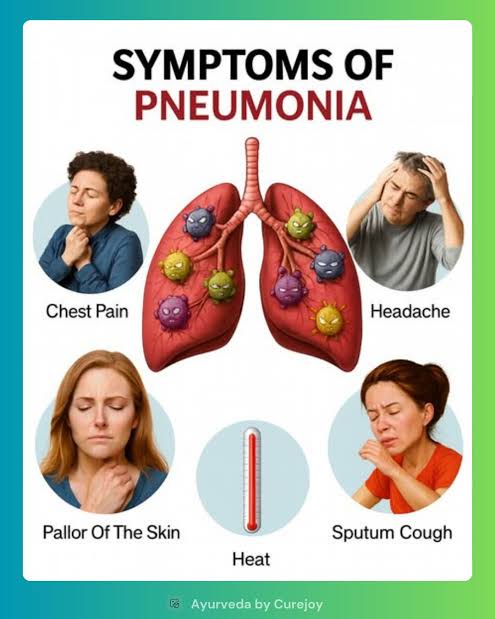
Pneumonia is a serious respiratory infection that affects the lungs and can occur in people of all ages. The condition causes inflammation of the air sacs, which may fill with fluid or pus. Recognizing pneumonia symptoms early is important because prompt treatment can prevent complications and improve recovery.
Furthermore, pneumonia remains one of the leading causes of respiratory illness worldwide, particularly among young children, older adults, and individuals with weakened immune systems.
What Is Pneumonia?
Pneumonia is an infection that inflames the alveoli, the tiny air sacs in the lungs responsible for oxygen exchange. These air sacs may fill with fluid or pus, leading to breathing difficulty and reduced oxygen supply to the body.
Pneumonia can be caused by several microorganisms, including bacteria, viruses, and fungi. However, bacterial pneumonia is often the most severe form in adults.
Common Pneumonia Symptoms
The most common pneumonia symptoms include:
Persistent cough (with or without sputum)
Fever and chills
Shortness of breath
Chest pain during breathing or coughing
Fatigue and weakness
Rapid breathing
Furthermore, symptoms may develop suddenly or gradually depending on the cause of the infection.
Patients with Chronic Obstructive Pulmonary Disease (COPD) are at higher risk of severe pneumonia.
Severe Pneumonia Symptoms and Warning Signs
In some cases, pneumonia can become severe and require urgent medical attention. Recognizing severe pneumonia symptoms is therefore very important.
Warning signs include:
High fever
Severe difficulty breathing
Confusion, especially in older adults
Bluish lips or fingernails
Persistent chest pain
Low oxygen levels
If these symptoms occur, immediate medical evaluation is necessary.
Causes of Pneumonia Symptoms
Several microorganisms can cause pneumonia symptoms. The most common causes include:
Bacteria
Streptococcus pneumoniae
Haemophilus influenzae
Viruses
Influenza virus
Respiratory syncytial virus (RSV)
Coronavirus
Fungi
Fungal pneumonia may occur in individuals with weakened immune systems.
Furthermore, pneumonia may also develop after viral respiratory infections.
Risk Factors for Pneumonia Symptoms
Certain factors increase the risk of developing pneumonia symptoms. These include:
Age above 65 years
Young children
Chronic diseases such as asthma or diabetes
Smoking
Weak immune system
Recent respiratory infection
Therefore, individuals in these groups should seek early medical care if symptoms appear.
How Doctors Diagnose Pneumonia Symptoms
Accurate diagnosis is essential for appropriate treatment. Doctors evaluate pneumonia symptoms using several methods.
Common diagnostic tools include:
Medical history and physical examination
Chest X-ray
Blood tests
Sputum analysis
Pulse oximetry to measure oxygen levels
Furthermore, imaging studies help confirm lung infection and determine its severity.
Treatment Options for Pneumonia Symptoms
Treatment depends on the cause and severity of the infection. Managing pneumonia symptoms may include:
Antibiotics
Used when bacterial infection is confirmed or strongly suspected.
Antiviral medications
Prescribed for certain viral pneumonias.
Supportive care
Rest
Adequate hydration
Fever control medications
Oxygen therapy when necessary
Furthermore, severe cases may require hospitalization.
How to Prevent Pneumonia Symptoms
Preventive measures can significantly reduce the risk of infection.
Important strategies include:
Vaccination against pneumococcal disease and influenza
Good hand hygiene
Avoiding smoking
Maintaining a healthy immune system
Seeking early treatment for respiratory infections
Therefore, prevention remains one of the most effective ways to reduce pneumonia-related complications
Clinical Perspective for Healthcare Profession
Pneumonia is characterized by inflammation of lung parenchyma resulting from microbial infection. Diagnosis is typically based on clinical presentation combined with radiographic findings such as pulmonary infiltrates on chest imaging.
Severity assessment tools such as CURB-65 may help determine the need for hospitalization. Management should include pathogen-directed antimicrobial therapy, supportive care, and monitoring of respiratory function.
Furthermore, guideline-based management and vaccination strategies are emphasized by international health authorities such as the World Health Organization to reduce global pneumonia morbidity and mortality.
When to Seek Medical Care
Patients should seek medical attention if they experience:
Persistent cough with fever
Difficulty breathing
Chest pain
Worsening fatigue
Symptoms lasting more than several days
Early diagnosis can prevent complications and improve treatment outcomes.
Conclusion
Pneumonia is a potentially serious lung infection that requires timely recognition and treatment. Understanding pneumonia symptoms, identifying risk factors, and following preventive strategies can significantly reduce complications. With appropriate medical care and early intervention, most individuals can recover successfully from pneumonia.
References
World Health Organization – Pneumonia Fact Sheet
https://www.who.int/news-room/fact-sheets/detail/pneumonia.
Global health guidance on respiratory infections and pneumonia management.
Related Articles
You may also find these articles helpful:
Dry Cough: Causes and Treatment
Asthma Symptoms: Causes and Treatment
Tuberculosis Symptoms and Diagnosis
These conditions may sometimes present with similar respiratory symptoms.
About Modern Clinical Health
Modern Clinical Health provides evidence-based medical information for both patients and healthcare professionals. Our goal is to promote rational prescribing, disease prevention, and improved clinical understanding.
Medical Disclaimer
This article is provided for educational purposes only and should not replace professional medical advice, diagnosis, or treatment. Always consult a qualified healthcare professional for medical concerns.