Introduction
Respiratory diseases are medical conditions that affect breathing organs.
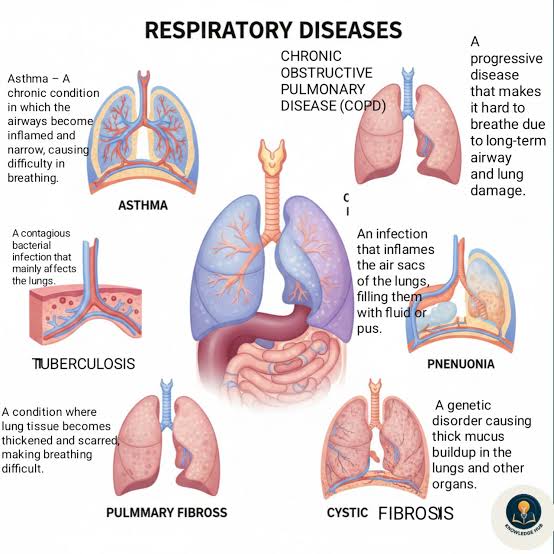
What Are Respiratory Diseases?
Respiratory diseases are medical conditions that affect the organs involved in breathing, including the nose, throat, airways, and lungs.
These diseases can be caused by infections, allergies, environmental pollutants, smoking, genetic factors, or chronic inflammation of the airways.
Respiratory diseases may be acute (short-term) or chronic (long-term), depending on their cause and severity.
what symptoms should make me think I may have a respiratory disease?”
Common symptoms include persistent cough, difficulty breathing, chest tightness, wheezing, and sometimes fever or fatigue. If these symptoms persist, medical evaluation is important.”
Common Symptoms of Respiratory Diseases
The symptoms of respiratory diseases can vary depending on the specific condition, but some symptoms occur frequently.
Common symptoms include:
Persistent cough
Shortness of breath
Wheezing
Chest pain or chest tightness
Fever and fatigue
Excess mucus production
People experiencing these symptoms for a long time should consult a healthcare professional.
You can read more about cough in our guide:
Dry Cough: Causes, Treatment, and When to See a Doctor
Types of Respiratory Diseases
Respiratory diseases can be divided into several categories based on
Infectious Respiratory Diseases
Infectious Respiratory Diseases
These diseases are caused by bacteria, viruses, or other microorganisms.
Examples include:
Pneumonia
Tuberculosis
Influenza
COVID-19
Learn more about these conditions:
Tuberculosis Symptoms: Causes, Diagnosis and Treatment
Pneumonia Symptoms: Causes, Diagnosis and Treatment
Chronic Respiratory Diseases
Chronic respiratory diseases develop slowly and may last for many years.
Common examples include:
Asthma
Chronic obstructive pulmonary disease (COPD)
Chronic bronchitis
Emphysema
Read our detailed guide:
Asthma Symptoms: Causes, Diagnosis and Treatment
Causes of Respiratory diseases
Respiratory diseases can be caused by many different factors.
Common causes include:
Viral infections
Bacterial infections
Smoking and tobacco exposure
Air pollution
Allergies
Occupational exposure to chemicals or dust
Air pollution and tobacco smoke are major risk factors for respiratory diseases worldwide.
Can respiratory diseases spread from one person to another?
Yes. Many respiratory infections such as tuberculosis and pneumonia can spread through droplets when an infected person coughs or sneezes.
Diagnosis of Respiratory Diseases
Doctors use several methods to diagnose respiratory diseases.
These include:
Medical history
Physical examination
Chest X-ray
Blood tests
Sputum examination
Lung function tests
In some cases, imaging tests such as CT scans may be required to evaluate lung structure.
Treatment of Respiratory Diseases
Treatment depends on the cause and severity of the disease.
Common treatments include:
Antibiotics for bacterial infections
Antiviral medications for viral infections
Bronchodilators for airway obstruction
Corticosteroids to reduce inflammation
Oxygen therapy in severe cases
Lifestyle changes such as quitting smoking and avoiding air pollution also play an important role in managing respiratory diseases.
Prevention of Respiratory Diseases
Preventing respiratory diseases involves reducing exposure to risk factors and maintaining healthy lungs.
Important preventive measures include:
Vaccination against respiratory infections
Avoiding tobacco smoke
Wearing masks in polluted environments
Maintaining good hygiene
Early treatment of respiratory infections
Vaccination programs recommended by the Centers for Disease Control and Prevention help reduce the risk of many respiratory infections.
Frequently Asked Questions (FAQs)
When should I see a doctor for respiratory symptoms?
You should see a doctor if you experience persistent cough, difficulty breathing, chest pain, or fever that lasts more than a few days.
What are the most common respiratory diseases?
The most common respiratory diseases include asthma, pneumonia, tuberculosis, bronchitis, and chronic obstructive pulmonary disease.
Are respiratory diseases contagious?
Some respiratory diseases such as tuberculosis and pneumonia can spread from person to person, while others like asthma are not contagious.
Related Articles
Dry Cough: Causes and Treatment
Asthma Symptoms: Causes and Diagnosis
Pneumonia Symptoms: Diagnosis and Treatment
Tuberculosis Symptoms: Causes and Treatment
References
World Health Organization. Respiratory Diseases Overview.
Centers for Disease Control and Prevention. Respiratory Disease Prevention Guidelines.
Medical Disclaimer
The information provided on Modern Clinical Health is for educational purposes only and should not replace professional medical advice, diagnosis, or treatment. Always consult a qualified healthcare professional for medical concerns.
About Modern Clinical Health
Modern Clinical Health is an educational medical website dedicated to providing reliable and evidence-based health information. Our goal is to help patients and healthcare professionals to understand diseases, symptoms, and modern treatment approaches better.