INTRODUCTION
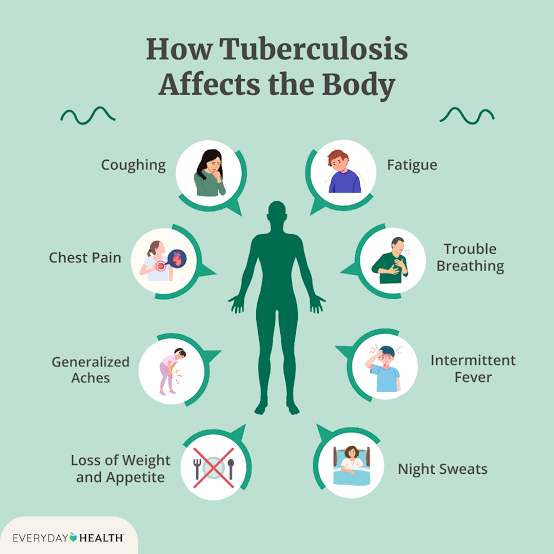
Image showing various tuberculosis symptoms
Tuberculosis symptoms can develop slowly and may be difficult to notice at first. Tuberculosis is an infectious disease caused by Mycobacterium tuberculosis. It mainly affects the lungs, although other organs may also be involved. Early recognition of tuberculosis symptoms helps prevent complications and reduces the spread of infection.
What Is Tuberculosis?
Tuberculosis is a contagious bacterial infection caused by Mycobacterium tuberculosis. It mainly affects the lungs. However, it can also spread to other organs such as the brain, bones and lymph nodes.
Tuberculosis spreads through the air. When an infected person coughs, sneezes or talks, tiny droplets containing bacteria can enter the air. People nearby may inhale these droplets and become infected.
Furthermore, tuberculosis remains one of the most common infectious diseases worldwide.
What Are the Most Common Tuberculosis Symptoms?
Tuberculosis symptoms usually develop gradually. Some people may not notice them early.
Common tuberculosis symptoms include:
Persistent cough lasting more than three weeks.Read our guide onDry Cough.
Chest pain
Coughing up sputum or blood
Fever
Night sweats
Unexplained weight loss
Fatigue and weakness
Loss of appetite
Furthermore, pulmonary tuberculosis symptoms often worsen without treatment. Therefore, early medical evaluation is important.However some tuberculosis symptoms may resemble pneumonia. Learn more in our article on Pneumonia Symptoms and Treatment.
Chronic lung diseases such as Chronic Obstructive Pulmonary Disease (COPD) can worsen tuberculosis outcomes and increase complications.See also: Asthma – Causes,Symptoms and Treatment.
What Are Pulmonary Tuberculosis Symptoms?
Pulmonary tuberculosis refers to TB infection affecting the lungs.
Common pulmonary tuberculosis symptoms include:
Chronic cough
Shortness of breath
Chest discomfort
Blood-stained sputum
However, tuberculosis may also spread beyond the lungs. This condition is called extrapulmonary tuberculosis
What Are Causes Tuberculosis and Tuberculosis symptoms?
Tuberculosis is caused by bacteria known as Mycobacterium tuberculosis.
The infection spreads through airborne droplets. For example, tuberculosis bacteria may spread when an infected person:
coughs
sneezes
talks
laughs
As a result, people who live in crowded environments may have a higher risk of infection.
.Who Is at Risk of Tuberculosis Infection?
Some people are more likely to develop tuberculosis infection.
Important risk factors include:
Weak immune system
HIV infection
Diabetes mellitus
Malnutrition
Smoking
Close contact with infected individuals
Living in crowded conditions
Furthermore, healthcare workers may also face increased exposure to tuberculosis.
How Is Tuberculosis Diagnosed?
Doctors use several tests to diagnose tuberculosis.
Common tuberculosis diagnostic tests include:
Chest X-ray
Sputum microscopy
Tuberculosis skin test
GeneXpert molecular test
TB culture
Furthermore, laboratory confirmation helps doctors choose the correct tuberculosis treatment.
What Is the Treatment for Tuberculosis?
Tuberculosis treatment requires a combination of antibiotics. These medicines must usually be taken for six months or longer.
Common tuberculosis medications include:
Isoniazid
Rifampicin
Pyrazinamide
Ethambutol
However, it is very important to complete the full treatment course. Stopping treatment early may lead to drug-resistant tuberculosis.
How To Prevent Tuberculosis And Avoid Tuberculosis Symptoms?
Tuberculosis prevention focuses on reducing infection and transmission.
Important prevention strategies include:
Early diagnosis and treatment
BCG vaccination
Good ventilation in homes and workplaces
Screening high-risk populations
Avoiding close contact with infected individuals
Furthermore, global tuberculosis control programs help reduce the spread of the disease.
For international guidance, see the tuberculosis information from the
World Health Organization
Frequently Asked Questions About Tuberculosis Symptoms
What are the first tuberculosis symptoms?
Early tuberculosis symptoms may be mild and easy to miss. However, the most common early symptoms include:
Persistent cough lasting more than two weeks
Mild fever
Night sweats
Fatigue
Loss of appetite
Furthermore, some people may not notice symptoms until the disease progresses.
How long does tuberculosis treatment take?
Tuberculosis treatment usually lasts at least six months.
Doctors commonly prescribe a combination of antibiotics such as:
Isoniazid
Rifampicin
Pyrazinamide
Ethambutol
Completing the full course of treatment is very important to prevent drug-resistant tuberculosis.
What other organs that can be affected by tuberculosis apart from lungs
Although tuberculosis mainly affects the lungs, it can also involve other organs. This is called extrapulmonary tuberculosis.
Examples include:
Lymph node tuberculosis
Bone tuberculosis
Tuberculous meningitis
Abdominal tuberculosis
However, pulmonary tuberculosis remains the most common form.
Related Articles
- Dry Cough: Causes and Treatment
- Asthma Symptoms: Causes and Diagnosis
- Pneumonia Symptoms: Diagnosis and Treatment