Diabetes Treatment Options: Everything You Need to Know
Diabetes is one of the most common chronic diseases worldwide, affecting millions of people. Although there is currently no permanent cure for most forms of diabetes, modern diabetes treatment options can effectively control blood sugar, prevent complications, and help people live long, healthy lives.
Treatment depends on the type of diabetes, age, overall health, lifestyle, and the presence of complications. A personalized treatment plan developed with a healthcare provider offers the best chance for successful diabetes management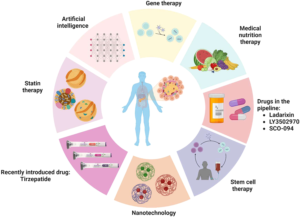
.What Is Diabetes?
Diabetes mellitus is a condition in which the body cannot properly regulate blood glucose (blood sugar).
The three major types include:
Type 1 diabetes
Type 2 diabetes
Gestational diabetes
Each requires a different approach to treatment.
Diabetes Treatment Options for Type 1 Diabetes
People with Type 1 diabetes cannot produce insulin because the immune system destroys the insulin-producing beta cells of the pancreas.
The main diabetes treatment option is lifelong insulin replacement.
Insulin Therapy
Common insulin types include:
Rapid-acting insulin
Short-acting insulin
Intermediate-acting insulin
Long-acting insulin
Ultra-long-acting insulin
Insulin may be administered using:
Insulin pens
Syringes
Insulin pumps
Automated insulin delivery systems
Blood glucose monitoring is essential to adjust insulin doses safely.
Diabetes Treatment Options for Type 2 Diabetes
Type 2 diabetes usually begins with insulin resistance. Many patients can initially control blood sugar through lifestyle modifications, while others require medications.
Lifestyle Modification
Lifestyle changes remain the foundation of all diabetes treatment options.
Healthy Diet
A diabetes-friendly diet should include:
Vegetables
Whole grains
Lean proteins
Healthy fats
High-fiber foods
Limit:
Sugary drinks
Refined carbohydrates
Processed foods
Excess saturated fats
Regular Exercise
Adults should aim for:
At least 150 minutes of moderate aerobic exercise weekly
Resistance training 2–3 times weekly
Reduced prolonged sitting
Exercise improves insulin sensitivity and lowers blood glucose.
Weight Management
Even a 5–10% reduction in body weight can significantly improve blood sugar control in overweight individuals.
Smoking Cessation
Smoking increases the risk of:
Heart disease
Stroke
Kidney disease
Poor circulation
Diabetic foot complications
Oral Diabetes Medications
Several medications are available when lifestyle changes alone are insufficient.
Metformin
Metformin is usually the first medication prescribed.
Benefits include:
Reduces liver glucose production
Improves insulin sensitivity
Low risk of hypoglycemia
Affordable
Possible side effects:
Nausea
Diarrhea
Vitamin B12 deficiency with long-term use
Sulfonylureas
Examples include:
Glimepiride
Gliclazide
Glipizide
They stimulate insulin release but may cause:
Low blood sugar
Weight gain
DPP-4 Inhibitors
Examples:
Sitagliptin
Linagliptin
Benefits:
Low hypoglycemia risk
Weight neutral
SGLT2 Inhibitors
Examples:
Empagliflozin
Dapagliflozin
Benefits include:
Lower blood sugar
Weight loss
Blood pressure reduction
Kidney protection
Reduced heart failure risk
Possible side effects:
Urinary tract infections
Genital fungal infections
Dehydration
GLP-1 Receptor Agonists
Examples:
Semaglutide
Liraglutide
Dulaglutide
Benefits:
Significant HbA1c reduction
Weight loss
Cardiovascular protection
Appetite reduction
Common side effects:
Nausea
Vomiting
Diarrhea
Insulin Therapy for Type 2 Diabetes
Some individuals eventually require insulin when:
Oral medications become insufficient
HbA1c remains high
During pregnancy
During severe illness
Following certain surgeries
Insulin can be combined with oral medications.
Diabetes Treatment Options During Pregnancy
Gestational diabetes requires careful monitoring.
Treatment includes:
Healthy eating
Physical activity
Blood sugar monitoring
Insulin when necessary
Some oral medications may be used in selected patients under specialist supervision.
New Diabetes Treatment Options
Modern diabetes care has advanced considerably.
Recent therapies include:
Continuous glucose monitors (CGM)
Smart insulin pens
Hybrid closed-loop insulin pumps
New GLP-1 medications
Dual GIP/GLP-1 receptor agonists
Telemedicine diabetes management
These innovations improve glucose control while reducing hypoglycemia.
Blood Sugar Monitoring
Monitoring helps guide treatment.
Methods include:
Finger-stick glucose testing
Continuous glucose monitoring (CGM)
HbA1c testing every 3–6 months
Preventing Diabetes Complications
Good diabetes management reduces the risk of:
Heart disease
Stroke
Kidney disease
Vision loss
Nerve damage
Foot ulcers
Amputation
Regular follow-up with healthcare providers is essential.
Can Diabetes Be Reversed?
Type 1 diabetes cannot currently be reversed.
Some individuals with Type 2 diabetes can achieve remission through:
Significant weight loss
Healthy diet
Regular exercise
Bariatric surgery in selected patients
Remission does not mean the disease is cured, and ongoing monitoring remains important.
When to Seek Medical Attention
Seek immediate medical care if you experience:
Very high blood sugar
Severe low blood sugar
Confusion
Difficulty breathing
Persistent vomiting
Chest pain
Signs of diabetic ketoacidosis
Loss of consciousness
Frequently Asked Questions (FAQs)
What is the best diabetes treatment option?
The best treatment depends on the type of diabetes, age, overall health, blood sugar levels, and associated medical conditions.
Can Type 2 diabetes be treated without medication?
Some people with early Type 2 diabetes can achieve good blood sugar control through diet, exercise, and weight loss, although many eventually require medication.
Is insulin only for Type 1 diabetes?
No. People with both Type 1 and Type 2 diabetes may require insulin.
Which diabetes medication helps with weight loss?
GLP-1 receptor agonists and SGLT2 inhibitors often promote weight loss while improving blood sugar control.
Can diabetes be cured permanently?
Currently, there is no permanent cure for Type 1 diabetes. Some people with Type 2 diabetes may achieve remission, but continued healthy habits and monitoring are necessary.
Key Takeaways
Diabetes treatment should be individualized.
Lifestyle changes remain the cornerstone of diabetes management.
Multiple medication classes are available for Type 2 diabetes.
Insulin is essential for Type 1 diabetes and may be needed in Type 2 diabetes.
Regular monitoring helps prevent serious complications.
Early diagnosis and consistent treatment greatly improve long-term outcomes.
References
American Diabetes Association. Standards of Care in Diabetes—2026. Diabetes Care. Available at: https://diabetesjournals.org/care
World Health Organization (WHO). Diabetes. https://www.who.int/news-room/fact-sheets/detail/diabetes
Centers for Disease Control and Prevention (CDC). Diabetes. https://www.cdc.gov/diabetes
National Institute of Diabetes and Digestive and Kidney Diseases (NIDDK). Diabetes Overview. https://www.niddk.nih.gov/health-information/diabetes
Clinician Review
Medically Reviewed by: Qualified clinician
This article has been reviewed for medical accuracy and reflects current evidence-based recommendations. It is intended for educational purposes and should not replace personalized medical advice.
Disclaimer
This article is for educational and informational purposes only. It should not be used as a substitute for professional medical advice, diagnosis, or treatment. Never ignore or delay seeking medical care because of information you have read online. Always consult a qualified healthcare professional regarding any medical condition or before starting, stopping, or changing any treatment