Normal Blood Sugar Levels Explained
Blood sugar (blood glucose) is the amount of glucose circulating in your bloodstream. Glucose is the body’s primary source of energy and comes mainly from carbohydrates in food. Maintaining normal blood sugar levels is essential because both high blood sugar (hyperglycemia) and low blood sugar (hypoglycemia) can lead to serious health problems.
Whether you have diabetes, prediabetes, or simply want to understand your health better, knowing the normal ranges can help you recognize problems early and make healthier lifestyle choices.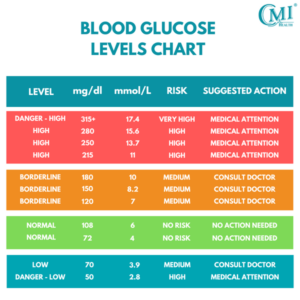
What Is Blood Sugar?
Blood sugar refers to the concentration of glucose in the blood. Glucose is absorbed from the digestive tract after meals and transported to cells with the help of insulin, a hormone produced by the pancreas.
The body carefully regulates blood sugar levels. When this balance is disturbed, blood sugar may become too high or too low, increasing the risk of complications.see also our guide on diabetes complications
Normal Blood Sugar Levels
The following summarizes normal blood glucose values for most healthy adults.
Test
Normal Range
Fasting blood sugar
70–99 mg/dL (3.9–5.5 mmol/L)
Before meals
70–99 mg/dL (3.9–5.5 mmol/L)
Two hours after meals
< 140 mg/dL (7.8 mmol/L)
Random blood sugar
<140 mg/dL (7.8 mmol/L)
HbA1c
Below 5.7%
These values may vary slightly between laboratories, but they are widely accepted by international diabetes organizations.
Blood Sugar Levels in Prediabetes
Prediabetes means blood sugar is higher than normal but not high enough for a diagnosis of diabetes.
Test prediabetes
Fasting glucose
100–125 mg/dL (5.6–6.9 mmol/L)
HbA1c
5.7–6.4%
Two-hour glucose test
140–199 mg/dL (7.8–11.0 mmol/L)
Prediabetes increases the risk of developing type 2 diabetes, heart disease, and stroke. learn more about high blood pressure. Lifestyle changes can often prevent progression.
Blood Sugar Levels That Suggest Diabetes
Diabetes is diagnosed when one or more of the following are present:
Fasting glucose
126 mg/dL (7.0 mmol/L)
Random glucose
100 mg/dL (11.1 mmol/L) or <
Two-hour glucose
100 mg/dL (11.1 mmol/L) or <
HbA1c
6.5% or higher
A healthcare provider usually repeats abnormal tests to confirm the diagnosis unless symptoms are obvious.
Normal Blood Sugar After Eating
Blood sugar naturally rises after meals because carbohydrates are broken down into glucose.
Ihealthy adults:
begins rising within 15–30 minutes.
Iusually peaks within one hour.
Ireturns toward normal within two to three hours.
A two-hour post-meal blood sugar below 140 mg/dL (7.8 mmol/L) is considered normal.
Frequent high readings after meals may indicate insulin resistance or diabetes.
HbA1c: The Three-Month Blood Sugar Test
HbA1c measures the percentage of glucose attached to red blood cells. Since red blood cells live for about three months, this test reflects your average blood sugar over the previous 8–12 weeks.
HbA1c
Meaning
Below 5.7%
Normal
5.7–6.4%
Prediabetes
6.5% or higher
Diabetes
For many people with diabetes, the treatment goal is an HbA1c below 7%, although targets may differ depending on age, pregnancy, or other medical conditions.leran also about diabetes Treatment options.
Blood Sugar Targets for People with Diabetes
General treatment targets include:
Time
Target
Before meals
80–130 mg/dL
Two hours after meals
Less than 180 mg/dL
HbA1c
Usually below 7%
Your healthcare provider may recommend individualized targets.
Normal Blood Sugar Levels in Children
Healthy children generally have blood sugar ranges similar to adults, although normal values may fluctuate more because of growth, activity, and eating habits.
Children with type 1 diabetes require regular glucose monitoring and insulin adjustments to maintain healthy levels.
Normal Blood Sugar Levels During Pregnancy
Pregnancy changes how the body uses insulin, increasing the risk of gestational diabetes.
Typical target values include:
Fasting: below 95 mg/dL
One hour after meals: below 140 mg/dL
Two hours after meals: below 120 mg/dL
Proper blood sugar control reduces the risk of complications for both mother and baby.
Symptoms of High Blood Sugar
High blood sugar often develops gradually.
Common symptoms include:
Excessive thirst
Frequent urination
Increased hunger
Fatigue
Blurred vision
Slow wound healing
Frequent infections
Unexplained weight loss
Very high blood sugar may require emergency medical attention.
Symptoms of Low Blood Sugar
Blood sugar below 70 mg/dL (3.9 mmol/L) is considered hypoglycemia.
Symptoms include:
Sweating
Trembling
Hunger
Dizziness
Headache
Fast heartbeat
Confusion
Difficulty concentrating
Severe hypoglycemia can lead to seizures or unconsciousness and requires urgent treatment.
What Causes High Blood Sugar?
Several factors can increase blood sugar levels, including:
Diabetes
Prediabetes
Eating excessive carbohydrates
Physical inactivity
Obesity
Stress
Certain medications such as corticosteroids
Hormonal disorders
Illness or infection
What Causes Low Blood Sugar?
Common causes include:
Taking too much insulin
Skipping meals
Excessive exercise
Drinking alcohol without food
Certain medications
Some hormonal disorders
How to Check Blood Sugar
Healthcare providers use several methods to measure blood glucose.
Finger-Prick Glucose Meter
A small drop of blood is tested using a glucometer. Results are available within seconds.
Continuous Glucose Monitor (CGM)
A tiny sensor placed under the skin measures glucose continuously and helps detect patterns throughout the day.
Laboratory Blood Tests
These include fasting blood glucose, HbA1c, and oral glucose tolerance tests.
How to Maintain Normal Blood Sugar Levels
Healthy lifestyle habits can help prevent diabetes and improve blood sugar control.
Eat a Balanced Diet
Choose:
Whole grains
Vegetables
Fruits
Lean protein
Healthy fats
High-fiber foods
Limit sugary drinks, sweets, and highly processed foods.
Exercise Regularly
Aim for at least 150 minutes of moderate physical activity per week. Exercise improves insulin sensitivity and helps lower blood sugar naturally.
Maintain a Healthy Weight
Even modest weight loss can significantly improve blood sugar in people with prediabetes or type 2 diabetes.
Sleep Well
Adults should aim for 7–9 hours of quality sleep each night, as poor sleep can increase insulin resistance.
Stay Hydrated
Adequate water intake supports normal metabolism and helps the kidneys remove excess glucose.
Take Medications as Prescribed
If you have diabetes, follow your treatment plan and never stop medications without consulting your healthcare provider.
When Should You See a Doctor?
Seek medical advice if you experience:
Persistent fasting blood sugar above normal
Frequent episodes of low blood sugar
Excessive thirst or urination
Unexplained weight loss
Blurred vision
Slow-healing wounds
Family history of diabetes with abnormal glucose readings
Early diagnosis allows timely treatment and reduces the risk of long-term complications.
Key Takeaways
Normal fasting blood sugar is 70–99 mg/dL (3.9–5.5 mmol/L).
Blood sugar should generally remain below 140 mg/dL two hours after eating.
An HbA1c below 5.7% is considered normal.
Prediabetes can often be reversed with healthy lifestyle changes.
Regular exercise, a balanced diet, healthy weight, and routine screening are essential for maintaining healthy blood sugar levels.
Frequently Asked Questions
1. What is the normal fasting blood sugar level?
A normal fasting blood sugar level is 70–99 mg/dL (3.9–5.5 mmol/L).
2. What blood sugar level indicates diabetes?
Diabetes is usually diagnosed with a fasting blood sugar of 126 mg/dL (7.0 mmol/L) or higher, a random blood sugar of 200 mg/dL (11.1 mmol/L) or higher with symptoms, or an HbA1c of 6.5% or higher.
3. Is 110 mg/dL fasting blood sugar normal?
No. A fasting blood sugar of 110 mg/dL falls within the prediabetes range and should be discussed with a healthcare provider.
4. What should blood sugar be two hours after eating?
For most healthy adults, it should be below 140 mg/dL (7.8 mmol/L).
5. How often should blood sugar be checked?
People without diabetes may only need periodic screening based on age and risk factors. People with diabetes should monitor blood sugar as recommended by their healthcare provider.
Clinician Review
Reviewed by: Modern Clinical Health Editorial Team
This article is based on current recommendations from internationally recognized medical organizations, including the American Diabetes Association (ADA), World Health Organization (WHO), and the U.S. National Institute of Diabetes and Digestive and Kidney Diseases (NIDDK). Clinical decisions should always be individualized by a qualified healthcare professional.
Suggested Internal Links
Diabetes Symptoms
Diabetes Treatment Options
Diabetes Complications
Prediabetes: Causes and Prevention
Healthy Diet for Diabetes
Obesity and Type 2 Diabetes
Hypoglycemia: Symptoms and Treatment
Medical Disclaimer
This article is intended for educational purposes only and should not replace professional medical advice, diagnosis, or treatment. Always consult a qualified healthcare provider regarding concerns about your blood sugar or overall health.
References
American Diabetes Association. Standards of Care in Diabetes. https://diabetesjournals.org/care
World Health Organization. Diabetes. https://www.who.int/news-room/fact-sheets/detail/diabetes
National Institute of Diabetes and Digestive and Kidney Diseases (NIDDK). Diabetes Overview. https://www.niddk.nih.gov/health-information/diabetes
Centers for Disease Control and Prevention. Diabetes Basics. https://www.cdc.gov/diabetes
MedlinePlus. Blood Glucose Test. https://medlineplus.gov/lab-tests/blood-glucose-test/