Malaria Symptoms: Understanding the Disease
Malaria is a serious mosquito-borne disease caused by Plasmodium parasites. It is common in many tropical countries, especially in Nigeria and other parts of Africa. Recognizing malaria symptoms early can help prevent dangerous complications and severe illness.
Malaria can affect both children and adults. Without proper treatment, severe malaria may lead to organ failure, coma, or death.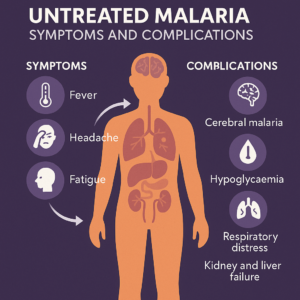
What Causes Malaria?
Malaria is caused by parasites transmitted through the bite of infected female Anopheles mosquitoes. After the mosquito bite, the parasites enter the bloodstream and infect the liver and red blood cells.
Common causes and risk factors include: Mosquito bites in malaria-endemic areas Sleeping without mosquito nets Poor environmental sanitation Stagnant water around homes Weak immunity Delayed treatment of malaria symptoms The most dangerous malaria parasite is Plasmodium falciparum, which commonly causes severe malaria in Africa.
Common Malaria Symptoms
Early recognition of malaria symptoms is very important for prompt treatment.
Early Malaria Symptoms
Common early malaria symptoms include:
Fever
Chills and sweating
Headache (learn about headache causes ) General body weakness
Joint and muscle pain
Loss of appetite
Nausea and vomiting
Tiredness
Dizziness
Some people may first mistake malaria symptoms for flu or typhoid fever.
Severe Malaria Symptoms
Severe malaria is a medical emergency. It occurs when malaria affects vital organs such as the brain, kidneys, lungs, or blood.
Danger Signs of Severe Malaria
Seek urgent medical attention if any of these severe malaria symptoms occur:
Difficulty breathing
Repeated vomiting
Convulsions or seizures
Confusion or unconsciousness
Inability to eat or drink
Severe weakness
Yellow eyes or skin (jaundice)
Dark urine
Bleeding from the nose or gums
Severe anemia
Persistent high fever
Children and pregnant women are at higher risk of complications from severe malaria.
How Malaria Affects the Body
The malaria parasite destroys red blood cells. This can lead to:
Low blood levels (anemia)
Reduced oxygen delivery
Organ damage
Low blood sugar
Low platelet count
Brain involvement in severe malaria
This explains why severe malaria symptoms can become life-threatening within a short time.
Diagnosis of Malaria Symptoms
Healthcare workers diagnose malaria using:
Malaria Rapid Diagnostic Test (RDT)
This test quickly detects malaria parasites in the blood.
Microscopy
Blood samples are examined under a microscope to confirm malaria and determine parasite levels.
A doctor may also request additional tests if severe malaria symptoms are present.
Severe Malaria Emergency Treatment
Severe malaria emergency treatment should begin immediately in a hospital.
Emergency Treatment for Severe Malaria
Common treatments include:
Intravenous (IV) artesunate
Intravenous fluids
Oxygen therapy
Blood transfusion for severe anemia
Treatment of seizures
Fever control medications
Blood sugar correction
Monitoring in hospital
Patients with severe malaria symptoms may require admission for close monitoring.
Why Early Treatment Matters
Delaying treatment increases the risk of:
Brain damage
Kidney failure
Shock
Breathing problems
Death
Àà treatment greatly improves survival.
Home Care During Malaria Treatment
While receiving malaria treatment:
Drink plenty of clean fluids
Rest adequately
Eat light nutritious meals
Take medications exactly as prescribed
Avoid self-medication
Monitor worsening malaria symptoms
Do not rely only on herbal remedies for severe malaria symptoms.
How to Prevent Malaria
Preventing mosquito bites is the best way to reduce malaria.
Malaria Prevention Tips( also see complete guides on malaria prevention to protect yourself and your family)
Sleep under insecticide-treated mosquito nets
Use mosquito repellents
Clear stagnant water around homes
Wear protective clothing at night
Close doors and windows early
Seek early treatment for malaria symptoms
Pregnant women should attend antenatal clinics for preventive malaria care.
When to See a Doctor
Visit a healthcare facility immediately if:
Fever lasts more than 24–48 hours
Malaria symptoms become severe
A child develops convulsions (also see our guide on pediatric fever)
There is difficulty breathing
The patient becomes unconscious
Vomiting prevents eating or drinking
Severe malaria can worsen rapidly if untreated.
Frequently Asked Questions (FAQs)
What are the first malaria symptoms?
The first malaria symptoms usually include fever, headache, chills, sweating, weakness, and body pain.
Can malaria symptoms appear without fever?
Yes. Some people, especially children or partially treated patients, may have malaria symptoms without obvious fever.
How long do malaria symptoms last?
Mild malaria symptoms may improve within a few days after treatment, but severe malaria can last longer and require hospitalization.
What causes severe malaria?
Severe malaria occurs when malaria parasites heavily infect the blood and affect important organs such as the brain, lungs, or kidneys.
Is severe malaria an emergency?
Yes. Severe malaria symptoms require emergency medical treatment immediately.
Can malaria cause low blood levels?
Yes. Malaria destroys red blood cells and can cause severe anemia.
Can children die from severe malaria?
Yes. Severe malaria is especially dangerous in young children if treatment is delayed.
What is the best treatment for severe malaria?
Intravenous artesunate is commonly recommended for severe malaria emergency treatment in hospitals.
Conclusion
Recognizing malaria symptoms early can save lives. While mild malaria may respond well to prompt treatment, severe malaria is a dangerous medical emergency that requires urgent hospital care. Preventing mosquito bites, seeking early diagnosis, and completing treatment properly remain the best ways to reduce malaria complications.
Centers for Disease Control and Prevention (CDC). Symptoms and Diagnosis of Malaria. Accessed June 2026.
https://www.cdc.gov/malaria/about/index.html
National Institutes of Health (NIH) MedlinePlus. Malaria. Accessed June 2026.
https://medlineplus.gov/malaria.html
UNICEF. Malaria Prevention and Treatment. Accessed June 2026.
https://www.unicef.org/health/malaria
Reviewed by Health Worker
This article on malaria symptoms, causes, and severe malaria emergency treatment was medically reviewed for accuracy and public health education purposes.