Understanding the Malaria-Typhoid Difference
Many people confuse malaria and typhoid because both illnesses can cause fever, weakness, and body pain. However, understanding the malaria-typhoid difference is important because the causes, diagnosis, treatment, and complications are different. 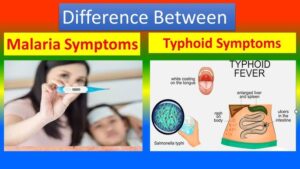 Malaria is caused by parasites spread through mosquito bites, while typhoid fever is caused by bacterial infection from contaminated food or water.
Correct diagnosis helps prevent wrong treatment and serious complications.
Malaria-Typhoid Difference Based on Causes
Understanding the cause is one of the most important malaria-typhoid differences.
Malaria Causes
Malaria is caused by Plasmodium parasites transmitted through infected female Anopheles mosquito bites.
Risk factors include:
Mosquito bites
Poor environmental sanitation
Sleeping without mosquito nets
Living in malaria-endemic areas
Typhoid Causes
Typhoid fever is caused by the bacterium Salmonella typhi.
Typhoid spreads through:
Contaminated food
Dirty drinking water
Poor hand hygiene
Poor sewage disposal
This major malaria-typhoid difference explains why prevention methods are different.
Malaria-Typhoid Difference Based on Symptoms
One of the most searched health topics is the malaria-typhoid difference based on symptoms because both conditions can appear similar early.See our article on typhoid fever misdiagnosed as malaria(case study)
Malaria Symptoms
Common malaria symptoms include:
Fever with chills
Sweating
Headache
Body weakness
Joint and muscle pain
Vomiting
Loss of appetite
Dizziness
Malaria symptoms often start suddenly.
Typhoid Symptoms Common typhoid symptoms include:
Persistent fever
Abdominal pain
Diarrhea or constipation
Weakness
Loss of appetite
Headache (see also headache causes and when to worry)
Dry cough
Gradual increase in fever
Typhoid fever usually develops more slowly than malaria.
Key Symptom Differences
Important malaria-typhoid differences include:
Malaria *Typhoid Fever, chills and sweating.*Fever is gradual Sudden onset. *slow onset. Mosquito-borne disease. *Food and water- borne diseas. Common body pains. *More abdominal symptoms.
Malaria-Typhoid Difference Based on Diagnosis
Proper diagnosis is necessary because symptoms may overlap.See our guide on typhoid misdiagnosed as malaria(case study)
Malaria Diagnosis
Healthcare workers diagnose malaria using:
Malaria Rapid Diagnostic Test (RDT)
Blood film microscopy
These tests detect malaria parasites in the blood.
Typhoid Diagnosis
Typhoid diagnosis may involve:
Widal test
Stool culture
Blood culture
Full blood count Blood culture is more accurate for confirming typhoid fever.(see also Typhoid FAQs patient ask Doctor)
Why Correct Diagnosis Matters
Many people wrongly assume every fever is malaria or typhoid. Proper testing helps avoid:
Wrong medications
Antibiotic misuse
Delayed treatment
Drug resistance
Malaria-Typhoid Difference Based on Treatment
The malaria-typhoid difference in treatment is very important because both diseases require different rational prescribing of medicines.
Malaria Treatment
Malaria is treated with antimalarial drugs such as:
Artemisinin-based combination therapy (ACT)
Artesunate for severe malaria
Treatment depends on severity and local guidelines.
Typhoid Treatment
Typhoid fever is treated using antibiotics prescribed by healthcare professionals.
Supportive treatment may include:
Oral fluids
Adequate nutrition
Fever control
Rest
Self-medication may worsen both malaria and typhoid.
Malaria-Typhoid Difference Based on complication
Both diseases can become dangerous if untreated.
Malaria Complications
Severe malaria may cause:
Severe anemia
Convulsions
Coma
Kidney failure
Breathing difficulty
Typhoid Complications
Untreated typhoid may cause:
Intestinal bleeding
Intestinal perforation
Severe dehydration
Sepsis
Early treatment greatly reduces complications.
Malaria-Typhoid Difference Based on Prevention
Understanding prevention is another major malaria-typhoid difference.
Malaria Prevention
To prevent malaria:
Sleep under treated mosquito nets
Use mosquito repellents
Clear stagnant water
Wear protective clothing
Typhoid Prevention
To prevent typhoid fever:
Drink clean water
Wash hands regularly
Eat properly cooked food
Maintain good sanitation
Avoid contaminated food
Can Someone Have Malaria and Typhoid Together?
Yes. A person can have both malaria and typhoid at the same time, especially in areas with poor sanitation and high mosquito exposure. However, proper laboratory tests are needed because many fevers are wrongly labeled as “malaria and typhoid.”
When to See a Doctor
Seek medical care if you experience:
Persistent fever
Severe weakness
Difficulty breathing
Severe vomiting
Abdominal swelling
Convulsions
Confusion
Inability to eat or drink
Prompt diagnosis improves recovery.
Frequently Asked Questions (FAQs)
What is the main malaria-typhoid difference?
The main malaria-typhoid difference is that malaria is caused by parasites spread by mosquitoes, while typhoid is caused by bacteria spread through contaminated food and water.
Can malaria and typhoid have similar symptoms?
Yes. Both can cause fever, weakness, headache, and body pain.
Which disease causes chills more commonly?
Chills and sweating are more common in malaria.
Which test confirms malaria?
Malaria Rapid Diagnostic Test (RDT) and blood microscopy help confirm malaria.
Can typhoid be treated without antibiotics?
Typhoid usually requires proper antibiotic treatment prescribed by a healthcare professional.
Is every fever malaria or typhoid?
No. Many illnesses can cause fever, so proper diagnosis is important.
Which is more dangerous between malaria and typhoid?
Both can become severe if untreated. Severe malaria can progress rapidly, while typhoid may cause intestinal complications.
Conclusion
Understanding the malaria-typhoid difference helps patients seek the correct diagnosis and treatment early. Although malaria and typhoid may share some symptoms, their causes, diagnosis, treatment, and prevention are different. Laboratory testing remains the best way to identify the correct illness and prevent complications.
World Health Organization (WHO). Malaria Fact Sheet. Accessed June 2026.
https://www.who.int/news-room/fact-sheets/detail/malaria
World Health Organization (WHO). Typhoid Fact Sheet. Accessed June 2026.
https://www.who.int/news-room/fact-sheets/detail/typhoid
Centers for Disease Control and Prevention (CDC). About Malaria. Accessed June 2026.
https://www.cdc.gov/malaria/about
Centers for Disease Control and Prevention (CDC). Typhoid Fever and Paratyphoid Fever. Accessed June 2026.
https://www.cdc.gov/typhoid-fever
National Institutes of Health (NIH) MedlinePlus. Typhoid Fever. Accessed June 2026.
https://medlineplus.gov/typhoidfever.html�
Reviewed by Health Worker
This article on malaria-typhoid difference was medically reviewed for health education and awareness purposes.